Lines of Feeling
Using drawing therapeutically with children & young people
Hand a child a blank page and a fistful of colour, and something shifts. The feeling they could not say out loud - the worry, the anger, the grief - finally has somewhere to go. It moves from inside the body to outside, onto the page, where the two of you can look at it together.
Most of us were taught to read children's drawings - to decode the dark colours and the small figures. This webinar teaches something steadier and far more useful: how to use drawing as a structured, safe, expressive process and why you should never read the picture.
Because the drawing is not a test to interpret. It is a feeling, finally given a shape.
Presented through the Clinical Psychology Resource Centre - evidence-informed clinical training built for practitioners who want skills they can use from their very next session.
About the CPRC →Why This Webinar Exists
Drawing is one of the most reached-for tools in child therapy and one of the most misunderstood. We hand children paper by instinct, then either leave it as "just keeping their hands busy," or, with the best of intentions, try to read meaning from it that the evidence simply does not support.
Ask a frightened eight-year-old how they feel and you will often get a shrug. Children feel and process long before they can narrate, and the most direct route to what they are carrying is frequently not through words at all. A colour, a shape, a circle filled in hard and fast - these can say what a sentence cannot.
But the page is easy to get wrong, in two opposite directions. On one side is the temptation to interpret - to decide the black cloud means trauma, the small figure means low self-worth. Projective, single-drawing interpretation has poor reliability and validity, and it quietly teaches the child that their work is being marked. On the other side is a lovely, unstructured activity with no clinical arc - one that opens a feeling without a safe way to close it.
After close to three decades with children, adolescents and families, Dr Anna Cohen built this webinar around a single, structured method - the colour-circle arc, drawn from Emotional Release Counselling and mapped onto Geldard's SPICC model. You externalise the hard feeling and let the body discharge it; then you help the child name and consolidate the feeling they actually want - settling first, grounding last, and never once reading the picture.
Your Presenter
Dr Anna Cohen
Senior Clinical Psychologist
I have worked with children, adolescents, and families as a Clinical Psychologist for close to three decades - in private practice, in group programmes, and across multidisciplinary teams. Across that work, one thing keeps proving true: the child who cannot find the words can almost always find a colour.
The children who arrive unable to speak their feelings are some of the most moving to work with, once you give them a medium that meets them where they are. That shift - from interpreting a drawing to using it as a safe, structured, expressive process - is what this webinar is built to teach.
I co-founded the Clinical Psychology Resource Centre with Isabel Fraser because we kept meeting clinicians who were theoretically well-trained but wanted practical, translatable tools to bring into the room with complex children and families. That is what the CPRC exists to provide.
Author of parenting and child psychology books, including Skilful Parent, Happy Child (2023) and Taming Teens (2019). Peer-reviewed publications span attachment, gifted children, and the disclosure of child sexual assault.

- Co-Founder Clinical Psychology Resource Centre Evidence-informed practical training for clinicians at every career stage · Current
- Co-Founder & Clinical Director Kids & Co Clinical Psychology Assessment & treatment of children, adolescents & families · Multiple locations across NSW & QLD · 1999–Current
- Co-Founder & Clinical Director Heads & Tails Clinical Psychology Clinical psychology in a nature-based setting with the presence of animals · Integrating CBT, DBT, ACT & Gestalt · 2014–Current
- Founder Better Parent Academy Practical, evidence-based parenting education · betterparentacademy.com
- Author & Clinician Books on child psychology & parenting Peer-reviewed research in attachment, giftedness & child protection
Webinar Curriculum
What We'll Cover Together
A structured 2.5-hour pathway - from why drawing reaches children when words don't, through where it sits in a coherent model of child therapy, to a step-by-step expressive method you can run safely from your next session.
Module 1
Why Drawing Works — Foundations
Putting the inside on the outside. Why "how do you feel?" so often fails children. The Expressive Therapies Continuum - working bottom-up, from the body. And the phrase that keeps the door open: process over product.
0:00 – 0:22Module 2
Where Drawing Sits — The SPICC Map
Method follows formulation. Geldard's Sequentially Planned Integrative Counselling for Children and the spiral of change and exactly where drawing earns its keep: telling the story, discharging the feeling, re-authoring.
0:22 – 0:40Module 3
What the Evidence Does & Doesn't Say
An honest snapshot - Cohen-Yatziv & Regev; Versitano et al. The mandala studies told accurately, without over-claiming. And the non-negotiable: there is no valid "this colour means trauma" reading of a single picture.
0:40 – 0:58Module 4
The Emotional Release Counselling Arc
Expression over suppression but never catharsis for its own sake. The two-beat arc. Settle first, ground last, and the window of tolerance - the safety scaffold that wraps around everything.
0:58 – 1:10Module 5
The Colour-Circle Method — Demonstration
The method step by step, demonstrated in full. Beat one: choose a colour, fill the circle, tear it up and bin it. Beat two: name and consolidate the wanted feeling, anchored in an image. The grounding close and variations.
1:20 – 1:48Module 6
Adolescents, Safety & Integration
"I can't draw" - abstract colour, collage and meeting teens in their own visual world. Curiosity, not interpretation. Containment as the precondition. Risk, consent and working within scope.
1:48 – 2:12Module 7
Practice, Integration & Close
Supervised practice on your own - you pause the recording and run the whole arc on yourself, being both the guide and the one drawing, with a deliberately low-intensity feeling. Letting the formulation - not the technique - choose the tool. Five things to take away, and how to fold the arc into the work you already do.
2:12 – 2:30Forty-two slides, with a 10-minute break at 1:10 and a closing synthesis, key takeaways and the four questions clinicians ask most, answered in full. Bring paper and a few coloured pens, pencils, crayons or textas - there is a hands-on drawing exercise after the break, and the recording is built to be paused for it. A further half hour after the close plans the arc for one real young person of your own.
"Don't read the picture. Get curious about it and let the child tell you what the colour means."
Dr Anna Cohen · Clinical Psychology Resource Centre
Who This Is For
Built for clinicians who reach for the page
If any of these sound familiar, this webinar is designed for you.
You work with children & young people
Psychologists, counsellors, social workers, mental health OTs and allied professionals using expressive and play-based work with children and adolescents.
You want structure, not guesswork
You want a safe, repeatable arc - not "just draw something" - with a clear beginning, a discharge, and a grounded end you can rely on.
You want to stop interpreting
You'd like to trade decoding a child's picture for genuine curiosity and a non-interpretive stance the evidence actually supports.
You see kids who can't use words
You work with trauma, anxiety, anger, grief, selective mutism or neurodivergence, where talking therapy alone keeps hitting a wall.
A note on level
This is an intermediate-to-advanced clinical webinar. It assumes a working familiarity with child development and core therapeutic models, and moves quickly into method and safety. New-graduate clinicians are very welcome and will get the most from it alongside supervision.
What you will actually leave with
Not slides you file away. A coherent clinical method and concrete tools, grounded in the evidence base and tested across three decades of practice with children, young people and their families.
Hold a process-over-product, non-interpretive stance and know why reading a single drawing as a diagnostic test isn't supported
Use the tear-and-release ritual safely, keeping the child inside their window of tolerance - settle first, ground last
Adapt the method for adolescents - abstract colour, collage and their own visual world - and sidestep "I can't draw"
Continuing Professional Development
2.5 CPD Hours
This webinar constitutes a structured CPD activity aligned with AHPRA registration standards. A certificate of completion is provided to all participants. Please verify applicability with your professional association.
Where to take this next · Option 1
Make it your credential
When you’re ready to build today’s method into assessed, supervised competence across the whole span of child work, the fullest next step is certification - one credential, one formulation-led method, independently assessed.
Become a Certified Practitioner of the CPRC Integrative Model - Children, Adolescents & Parents.
Three pathways, one method
Parents, children and teenagers under a single, formulation-led model - not a patchwork of short courses.
Twelve months, your caseload
Supervised practice applied to your own real cases, with a board-approved supervisor alongside you.
Assessed & registered
A competency assessment signed off by a board-approved supervisor - Certified Practitioner status and your name on the CPRC register.
$12,850, or $11,000 if you pay upfront. A structured pathway, not a single course - applied within your own scope, training and supervision.
About the certification pathwayWhere to take this next · Option 2
The Ongoing Supervision Group
A 2.5-hour webinar gives you the map - the method, the evidence, the safety scaffold. What it cannot do is sit beside you when a child puts something raw on the page, the feeling is bigger than you expected, and you are deciding in real time how to close it well.
That gap - between knowing the arc and delivering it safely - is exactly what our Ongoing Supervision Group is built for.
A standing fortnightly room
Six 90-minute sessions per quarter. You bring live, de-identified cases; a small group of child clinicians and two board-approved supervisors think them through alongside you.
Led by Dr Anna Cohen & Isabel Fraser
Both board-approved clinical supervisors. Open to any work with children, young people and families - the drawing arc, or whatever case is live in your room that fortnight.
Complements your existing supervision
Designed to sit alongside your current arrangements - please check your own registration and supervision requirements. Billed quarterly; pause or cancel before any future quarter.
If a child you are carrying right now would benefit from a second clinical mind, this is where good method becomes good practice. Membership is $1,195 a quarter (about $199 a session) or $995 for your first quarter when added with this webinar, saving $200, with later quarters at the standard rate. Six 90-minute sessions per quarter, billed quarterly, no lock-in. Joining details are in your participant follow-up email or enquire any time.
More about the GroupEarly in your career? There is a group built for exactly that. The New Graduate Supervision Group is a closed weekly group for provisional psychologists and registrars — maximum ten, the same ten start to finish, bringing any case, every week. Group supervision led by a board-approved supervisor; it supplements, never replaces, your individual supervision. $2,500 for the twelve-week program (about $208 a session), payment plans available, ten places only, with attendance records provided for your logbook. Confirm hours with your principal supervisor.
About the New Graduate GroupRecommended Pre-Reading
Read before you begin
To get the most from the webinar, we recommend Dr Anna Cohen's parenting books beforehand. They introduce the developmental and regulation-first thinking that underpins safe expressive work - so you arrive ready to focus on clinical method across the age range, from the early years through adolescence.
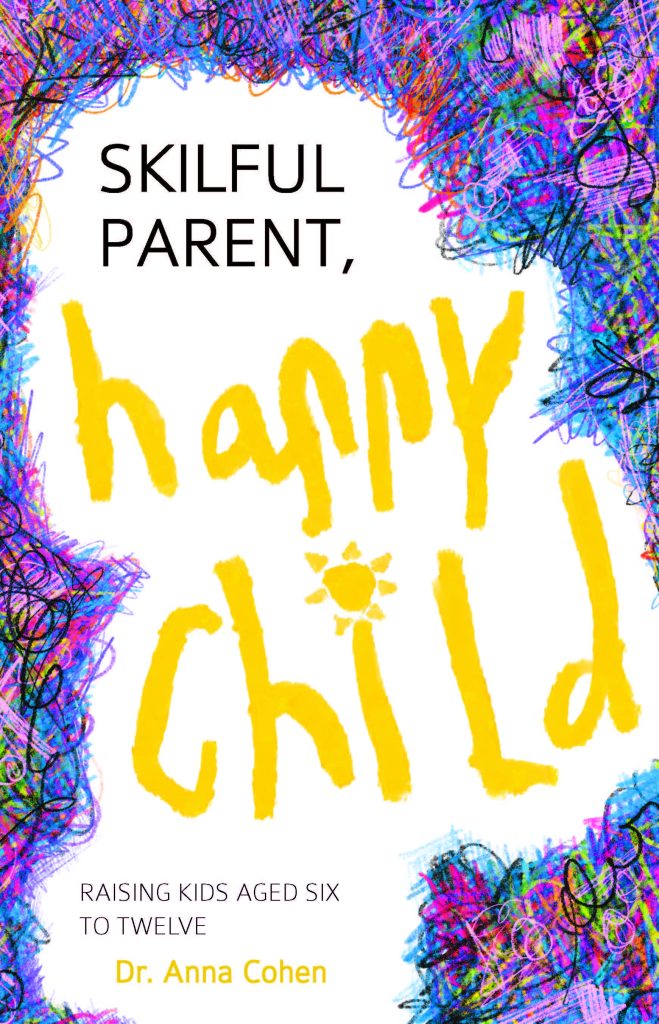
Skilful Parent, Happy Child
Raising kids aged six to twelve - building considerate behaviour, regulation and connection through the primary-school years.
View book →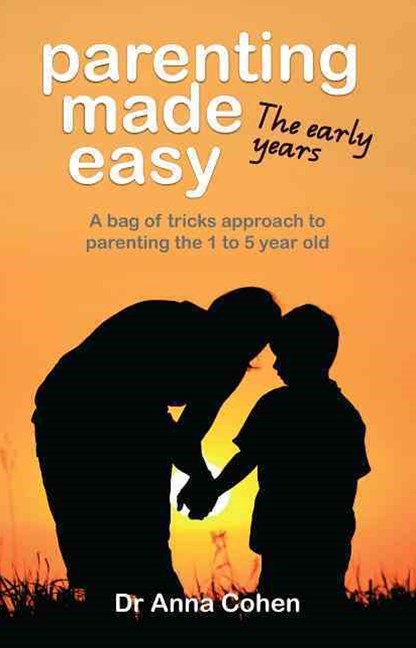
Parenting Made Easy - The Early Years
Practical strategies for the 1–5 year old, laying the foundations of regulation and routine from the start.
View book →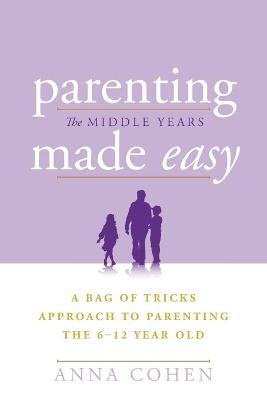
2013
Parenting Made Easy - The Middle Years
Guidance for the middle years, supporting parents through the growing independence of school-aged children.
View book →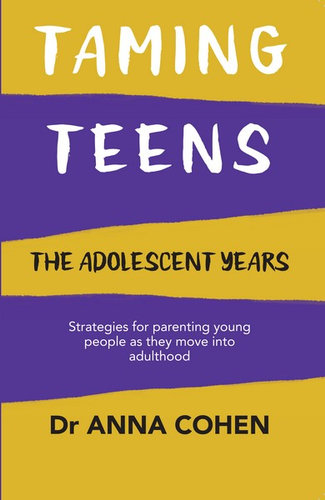
Taming Teens - The Adolescent Years
Navigating adolescence - staying regulated, connected and effective with teenagers as feelings run hot.
View book →Prefer the full set? Purchase all of Dr Anna Cohen's parenting books for $130.
Purchase the book set - $130 →Secure Your Place
Ready to hand them the colours?
Two and a half focused hours with Dr Anna Cohen that change how you use drawing with children - from a nice activity into a safe, structured, expressive method you can run from your very next session. Practical. Evidence-based. Immediately applicable.
Group registrations (3+): contact us for a discount code. Lifetime access - watch and revisit whenever you need. Provisional and student rates available on request.
What's Included
2.5-hour on-demand webinar with Dr Anna Cohen - a 42-slide deck across seven modules, structured, practical and session-ready
Drawing toolkit (PDF) - the colour-circle method step by step, the two-beat arc, variations & a settle-and-ground toolkit
Questions
Frequently Asked Questions
Who is this webinar designed for?
It is designed for mental health and allied health professionals who work directly with children, adolescents and families - psychologists, counsellors, social workers, mental health occupational therapists, school psychologists and others. The content sits at an intermediate-to-advanced clinical level, assuming a working familiarity with child development and core therapeutic models. New-graduate and provisional clinicians are very welcome and will get the most from it when paired with supervision.
Is the content evidence-based, and are references provided?
Yes. The webinar is built on the clinical and research literature - including Geldard's SPICC model, Pearson and Nolan's Emotional Release Counselling, the Expressive Therapies Continuum, the mandala-colouring studies (reported precisely, without over-claiming), and recent systematic reviews of art therapy with children and young people. A full APA 7th-edition reference list is provided so you can take the evidence base back to your own practice.
How practical is it - will I actually be able to use this on Monday?
That is the entire design goal. After the break we run the colour-circle method live, step by step, and you practise it yourself with a low-intensity feeling: settle, choose a colour, fill the circle, discharge it, then name and consolidate the wanted feeling and ground. You leave with the arc, its variations, a settle-and-ground toolkit, and the adolescent adaptations - tools, not just theory.
How does access work?
It is fully on demand - there is nothing to attend. Your access link arrives on enrolment, and the full recording and drawing toolkit are yours with lifetime access. The recording is built to be paused: there is a ten-minute break at the midpoint, a hands-on drawing exercise after it, and a supervised practice you run on your own before the close. Please check with your professional association to confirm the most appropriate CPD category for your registration requirements.
Don't you interpret what the child draws?
No and that is one of the most important things the webinar teaches. There is no validated way to diagnose a child from a single drawing, and treating a picture as a code to crack is both unreliable and unhelpful, because it teaches the child their work is being marked. Instead you stay curious and let the child narrate their own image. The colour means what the child says it means. We use drawing as a safe, structured, expressive process - never as a projective test.
Is ongoing supervision available afterwards?
Yes. The CPRC runs an Ongoing Supervision Group - a small, standing, fortnightly case-consultation group for clinicians working with children, young people and families, led by Dr Anna Cohen and Isabel Fraser, both board-approved clinical supervisors. It is the natural next step for applying the Lines of Feeling method to your own cases, and is designed to complement your existing supervision arrangements. Membership is $1,195 a quarter (about $199 a session), or $995 for your first quarter when added with this webinar, with later quarters at the standard rate; billed quarterly, no lock-in. To enquire, contact the CPRC at [email protected]